Where do you go up if you want a view in Dresden? 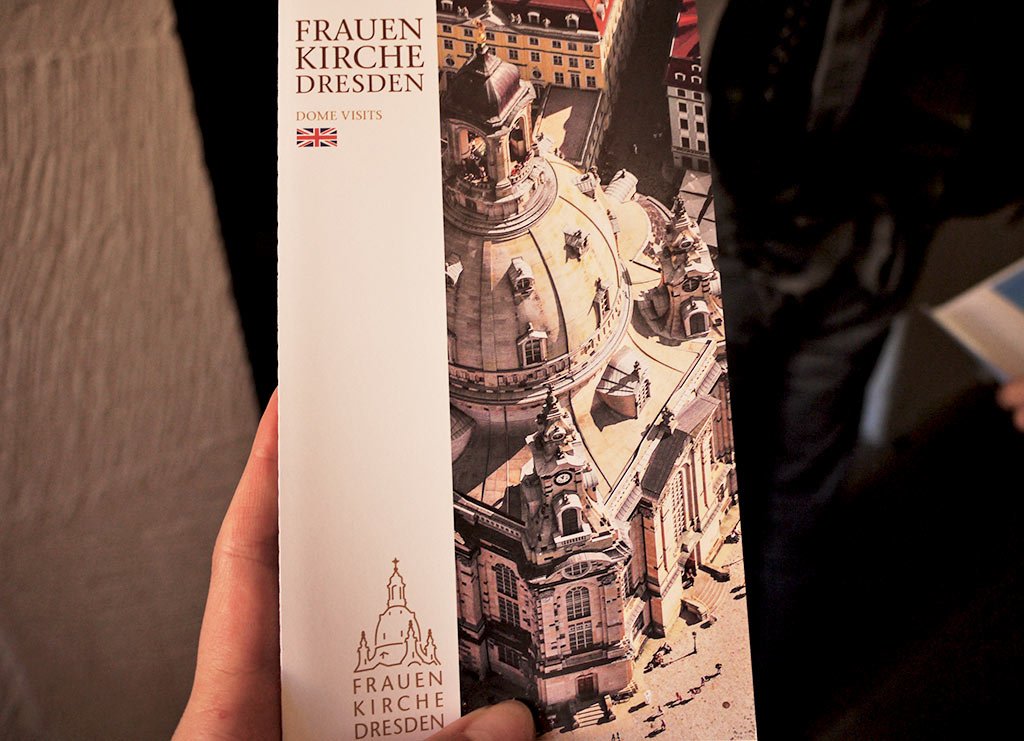
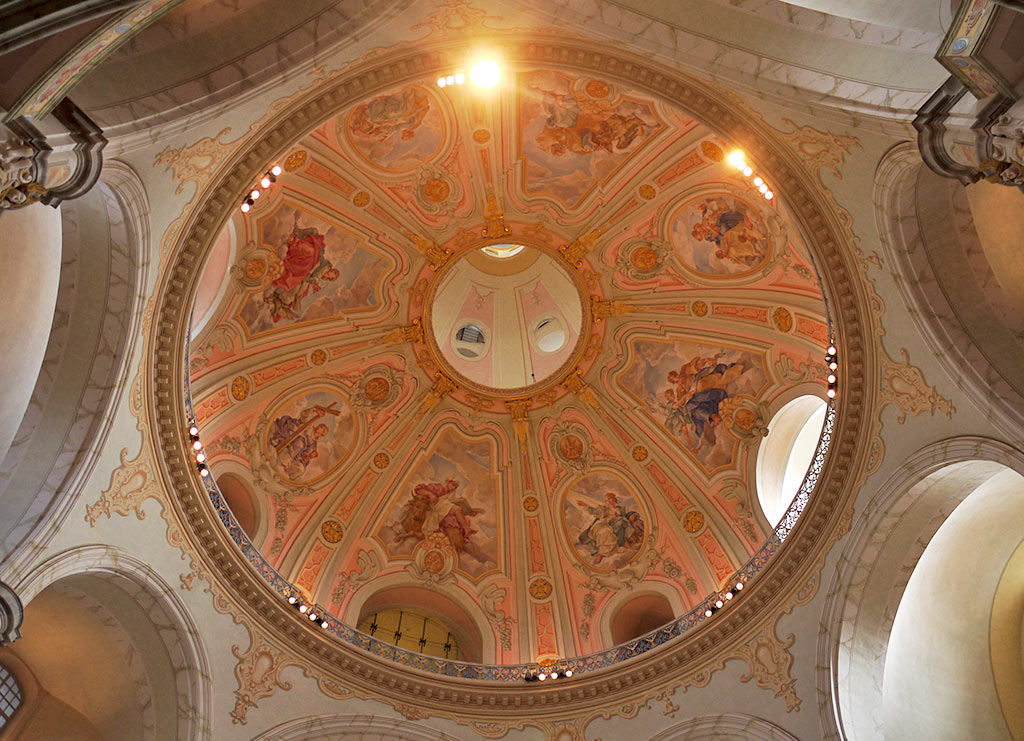
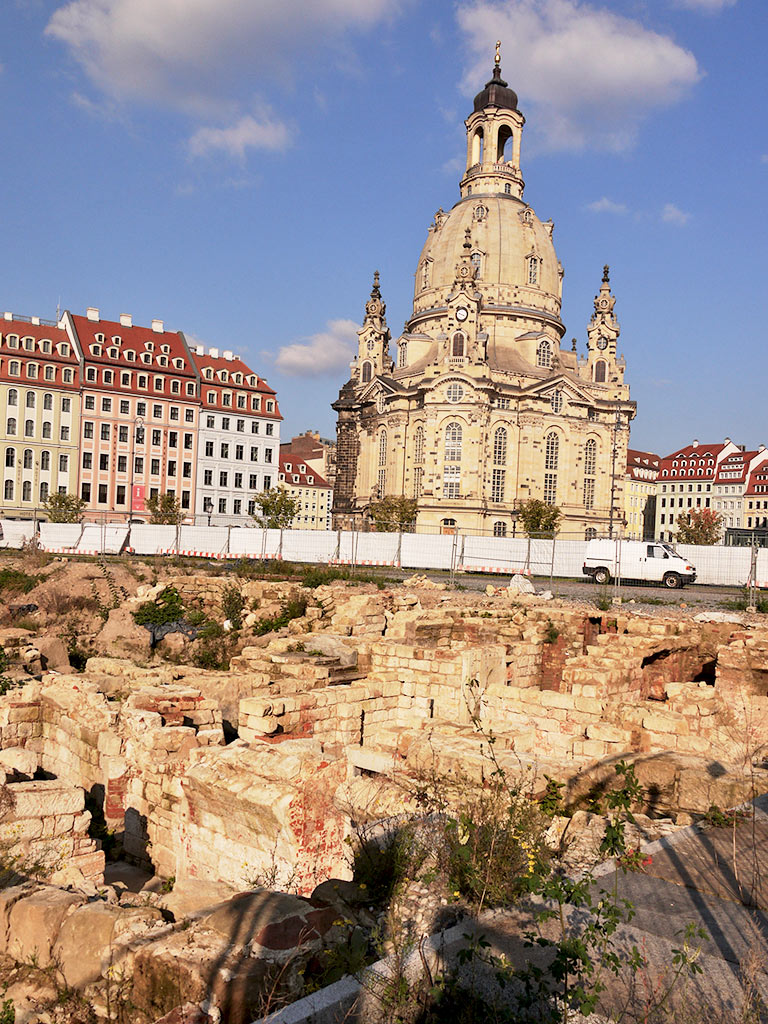
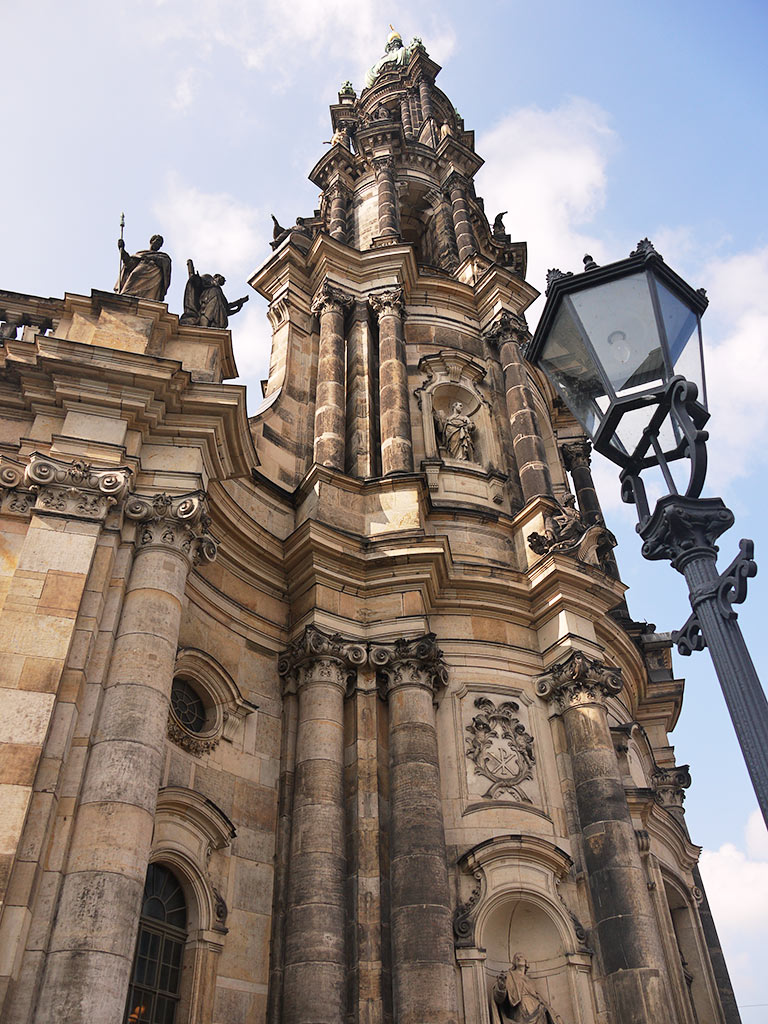
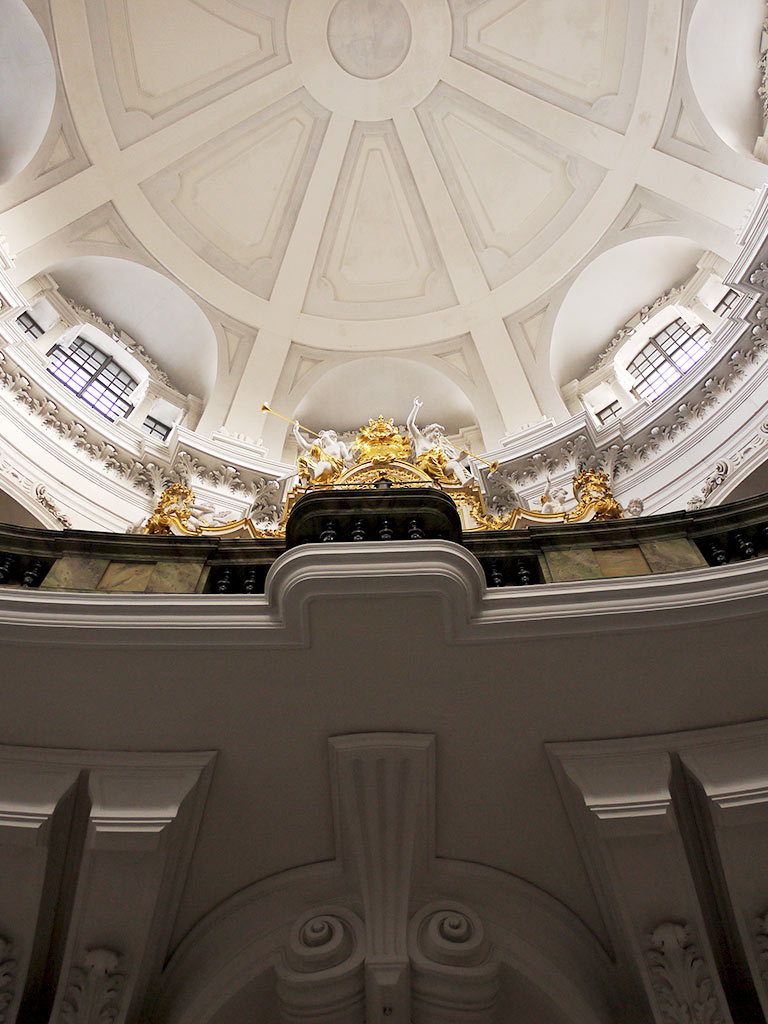
Frauenkirche literally means Church of Our Lady. It’s one of the greatest examples of Protestant sacred architecture and has one of the largest domes in Europe. And, not to be rude or anything, but it’s the most feminine church I have ever been to. Every little detail is beautiful, delicate and pastel-toned, from the walls, the floors, the exterior. Along with many other buildings in Dresden, the original church was also destroyed due to bombing during WWII and the reconstruction was only completed in 2005.
지금까지 가본 성당 중에서는 가장 여성스러웠던 성당 Frauenkirche. 유럽에서는 가장 큰 돔형 성당이다. 들어가자마자 핑크빛의 향연. 드레스덴의 다른 건물들과 마찬가지로 2차세계대전때 파괴되었다가 2005년에 재건되었다.
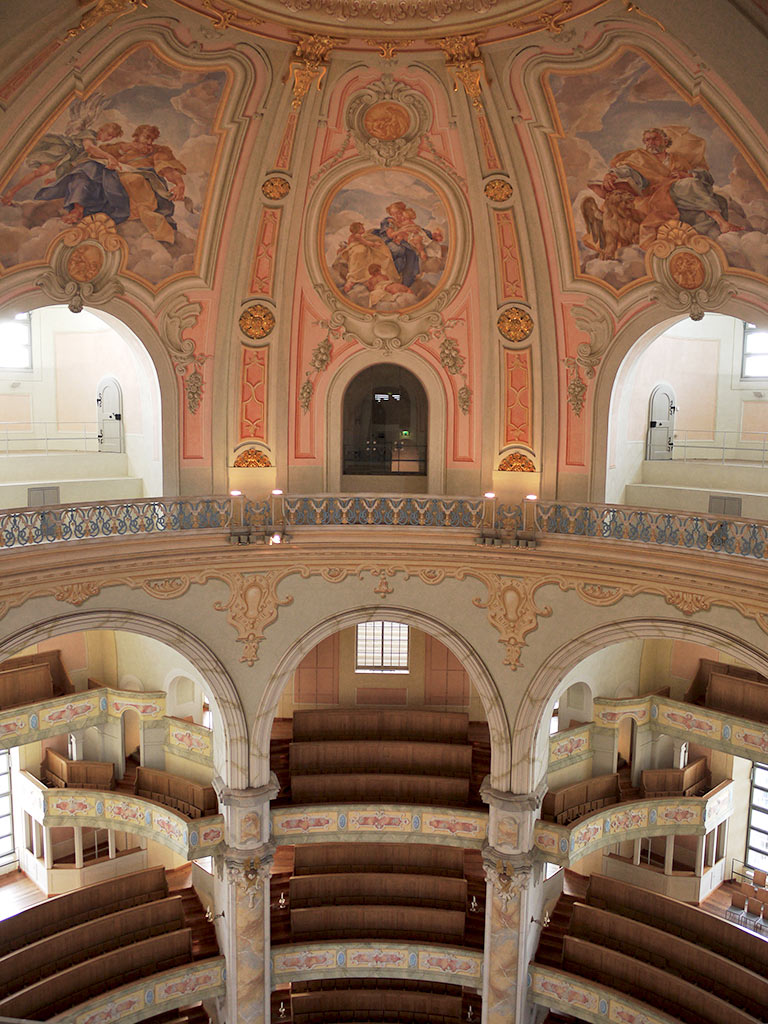
The structure enables the sounds to join together and create the illusion of “choirs of angels.” And this wasn’t just a marketing scheme. Richard Wagner was inspired by the music he heard above from the cathedral and eventually composed “The Feast of Pentecost” and was premiered in 1843 conducted by the man himself.
와그너가 특히 자주 왔던 성당으로 돔 모양이 합창단의 소리를 한곳으로 모아줘 마치 “천사들의 합창”을 듣는것 같다고 알려져 왔다고. 실제로 와그너는 여기서 합창단의 소리를 듣고 The Feast of Pentecost를 작곡, 이곳에서 최초로 선보였다고 한다.
Unlike many other cathedrals or churches, there is a separate entrance to go up to the top, which will led you to an elevator that goes halfway up. You have to walk the rest, but it’s interesting because you get to walk up through the cathedral and you can see both the outsides and insides of the structure.
Frauenkirche 꼭대기까지 올라갈 수 있다. 엘레베이터로 살짝 올라갔다가 다시 내려서 걸어서 내려가야하는데 다른 곳과는 달리 창문을 통해 성당 밖과 안을 계속 볼 수 있어서 답답한 느낌은 적은 느낌. 하지만 역시나 꼭대기까지 올라갈정도가 되면 슬슬 숨이 차오르는 정도.
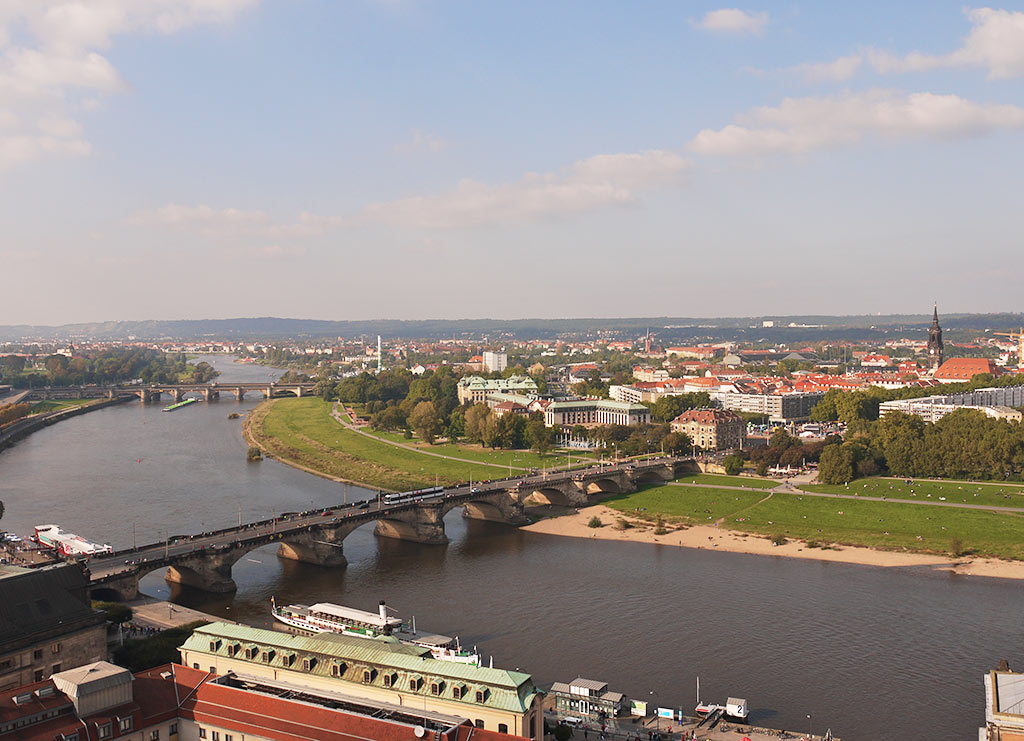
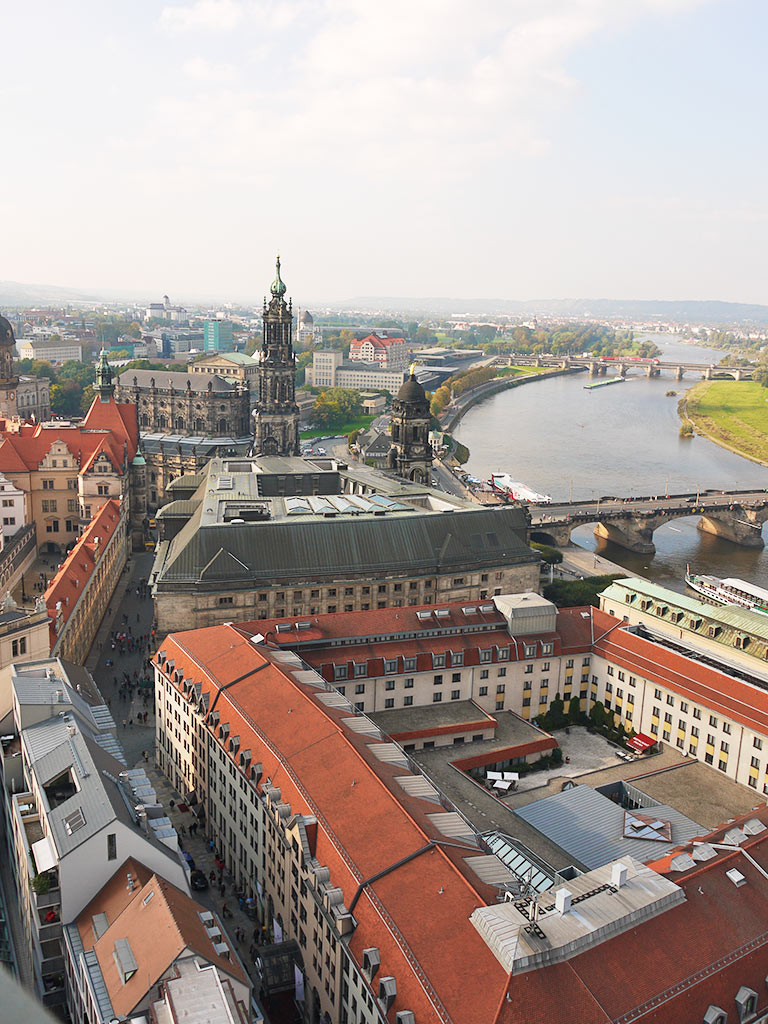
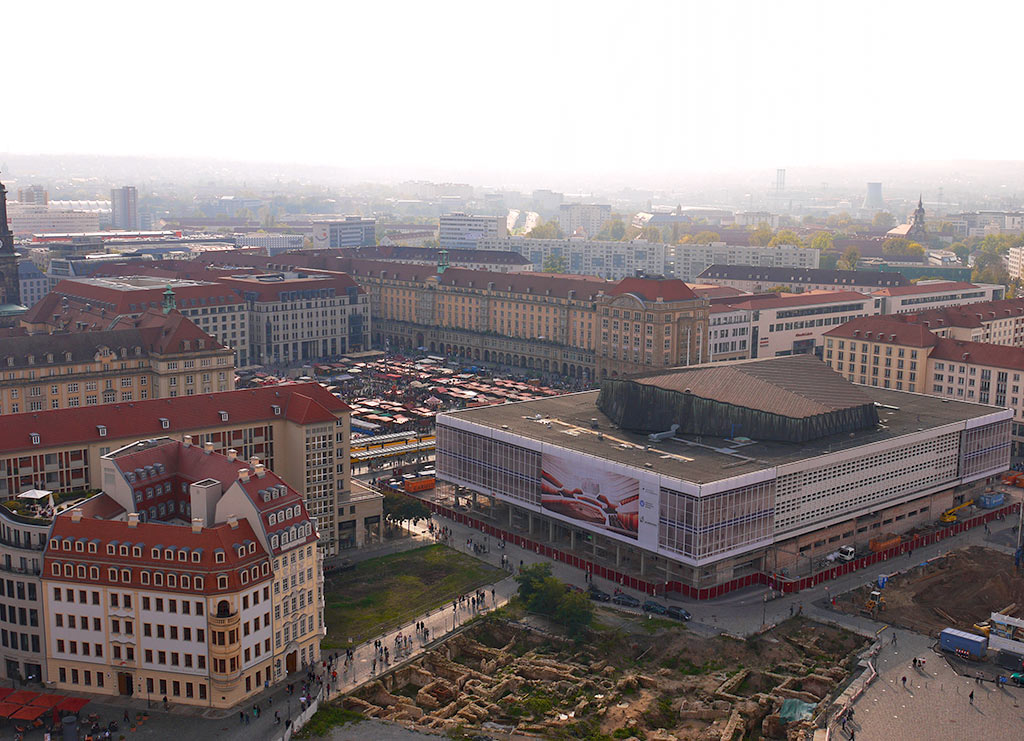
The market you see behind the big building, which is the Kulturepalast, was a small beer fest at the time. The area is called the Altmarkt and it’s where the city holds various types of events, markets and fairs. Hence the mini-beer fest.
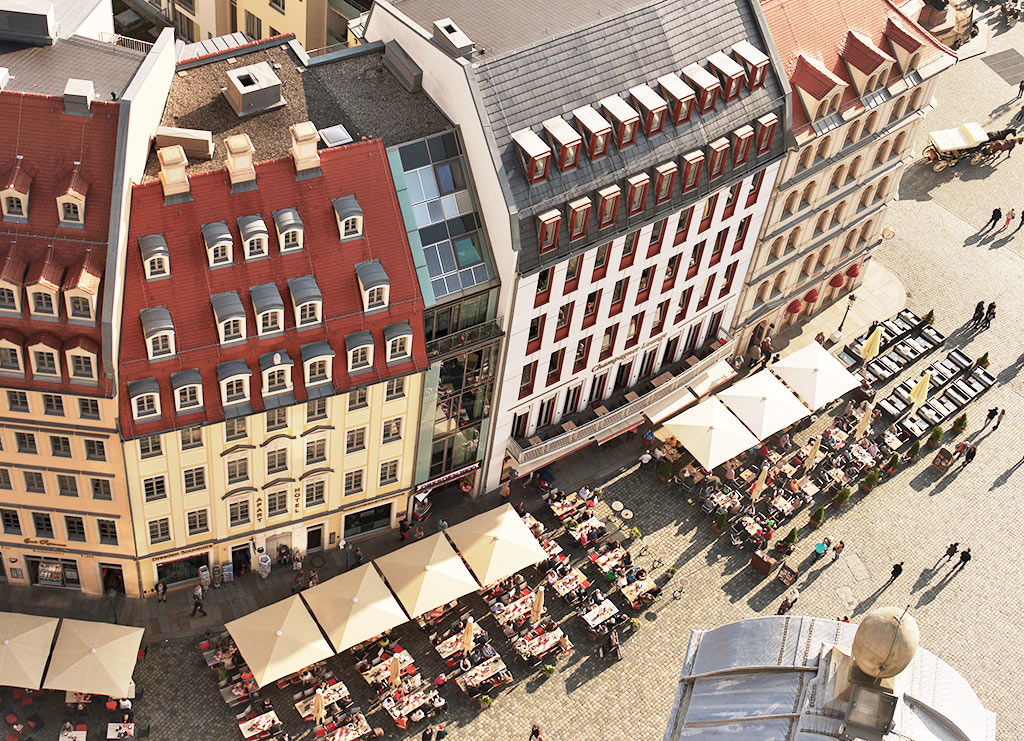
The photo above reminded me of that scene in the film “Inception” where Leonardo DiCaprio explains the inception process to Ellen Page. The part where the streets and buildings fold up. They shot that scene in France, by the way.
크리스토퍼 놀란 감독의 “인셉션”에서 레오나르도 디카프리오가 엘렌 페이지에게 인셉션의 개념을 설명하면서 도시 전체가 접히는 장면이 떠올랐던 건물들. 실제로 이 장면은 프랑스에서 촬영되었다.
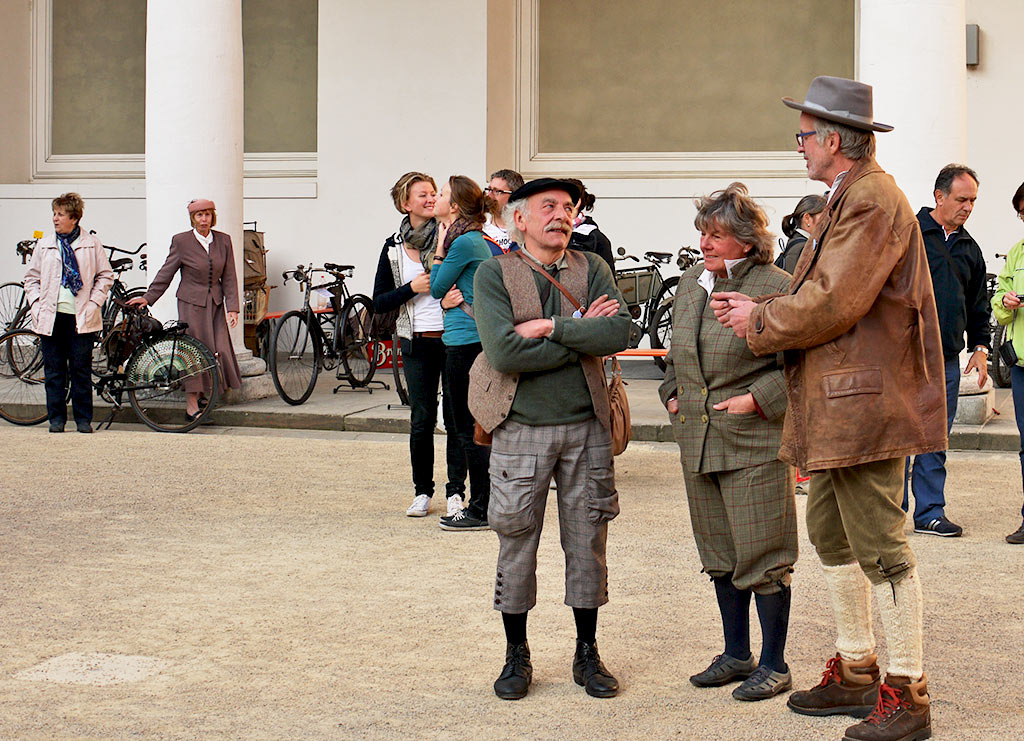
During our visit, there was a fair for old vehicles, bicycles and motorbikes and along with every vehicle, there were very dandy-looking gentlemen and women dressed like old photos. G tried to ride a bike that had one very large wheel and a small one in the back and he succeeded, although every single person around him watched over him. He didn’t fall.
우리가 방문했던 시기에 오래된 자동차, 자전거 등을 보여주고 직접 탈 수 있는 이벤트가 도시 곳곳에 열리고 있었는데 도우미들도 그에 맞춰 댄디한 옷들을 입고 있었다. G 역시 앞바퀴가 엄청 크고 뒷바퀴가 작은 자전거를 타고 싶어서 기다렸다가 탔는데 타는 순간 모두의 시선 집중. 행여나 넘어질까봐 모두가 초조하게 보고 있다가 몇바퀴 돌고 내려오니까 다들 박수를 쳐주었고 G는 얼굴이 빨개지면서 인사를 하고 사라졌다는 후문.
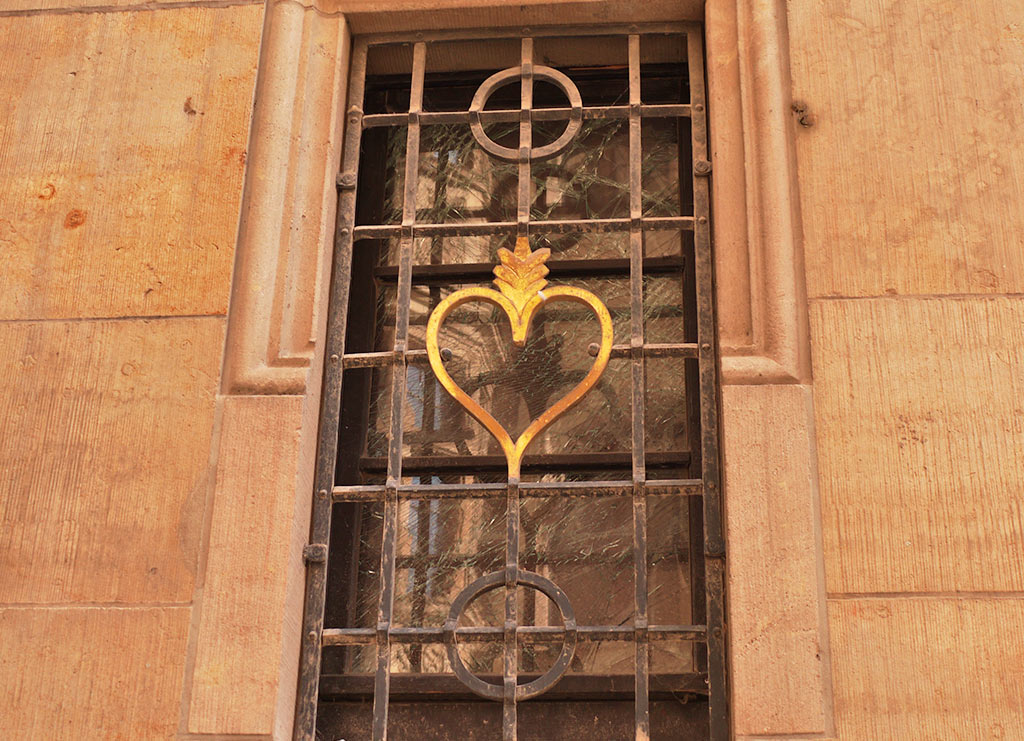
Another must-see in Dresden Altstadt is the very famous and very popular Green Vault. The museum is located in the Royal Palace and is known to house some of the best collections of treasures in Europe. And of course, we have Augustus the Strong to thank for this. Visiting the vault can get a bit tricky since it only allows 100 visitors every hour. Reserving tickets to get into the museum would be a must. If you don’t want to wait, there’s also another way to learn about the Green Vault. There are numerous books, photo books, journals and even calendars of the collections that show photos and very detailed information about (almost) every single one of the treasures.
왕실보물관으로 알려져 있는 Green Vault. 한시간당 100명밖에 들어갈 수가 없기 때문에 미리 표를 사두거나 예약을 하는 것이 좋다. 미술관이나 박물관에 질렸지만 보고는 싶은 사람들에게 하나의 팁을 주자면: 그냥 보물관에 대한 책을 하나 사두는것도 좋은 방법.
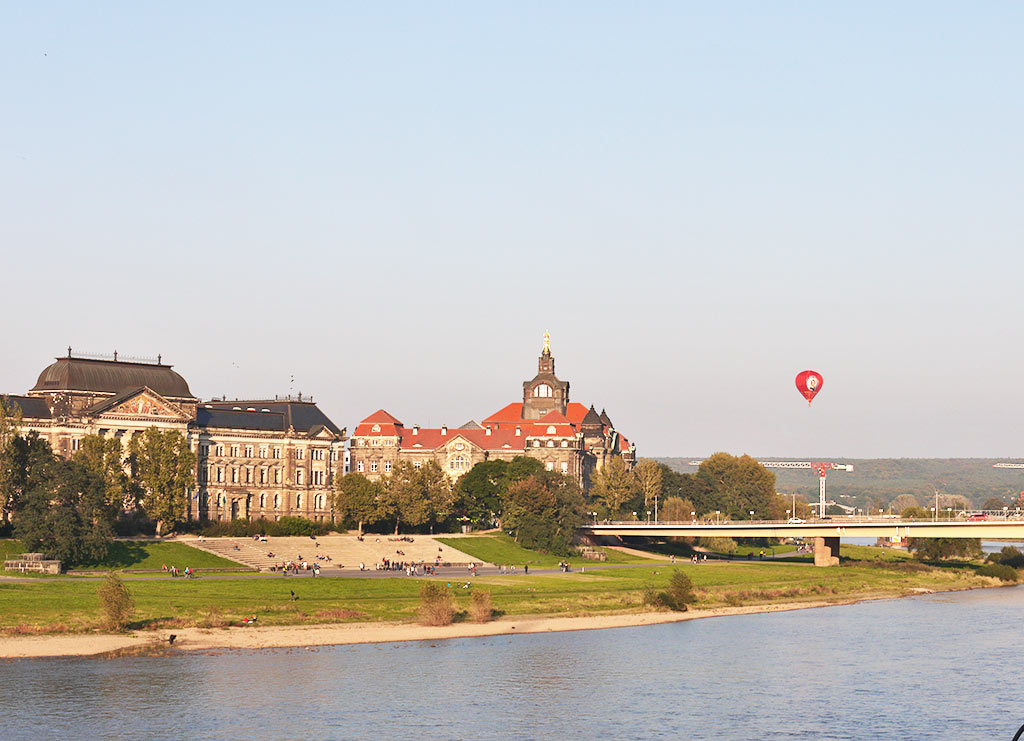
It seemed you can also take a hot air balloon ride in the city. For more information on this, visit here, here and here.
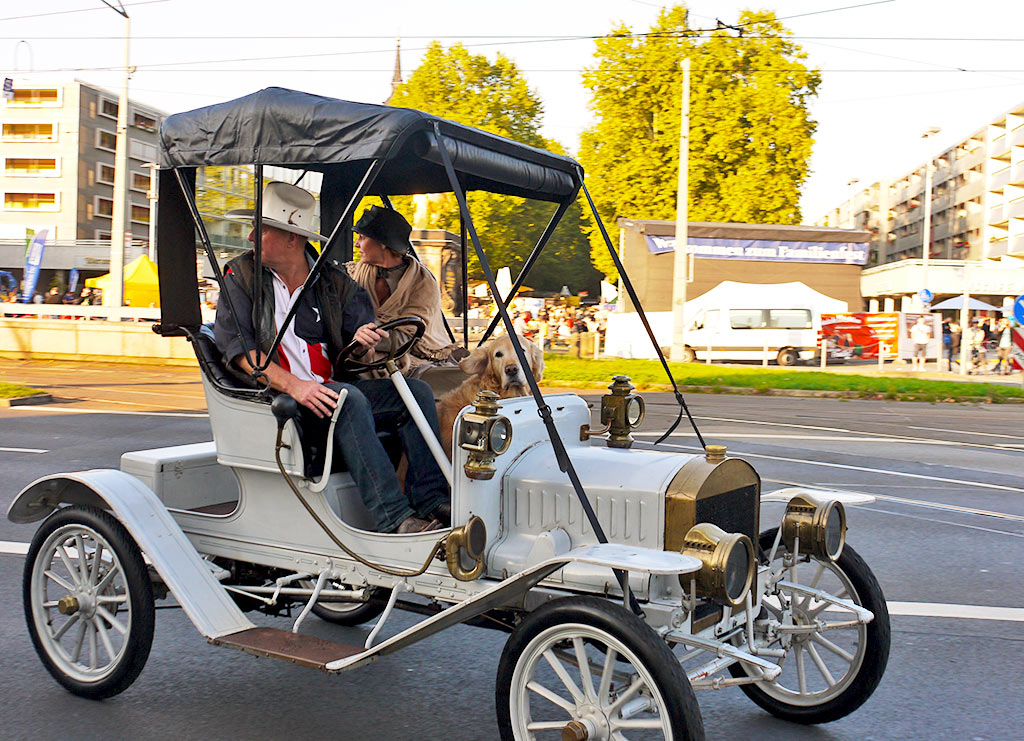
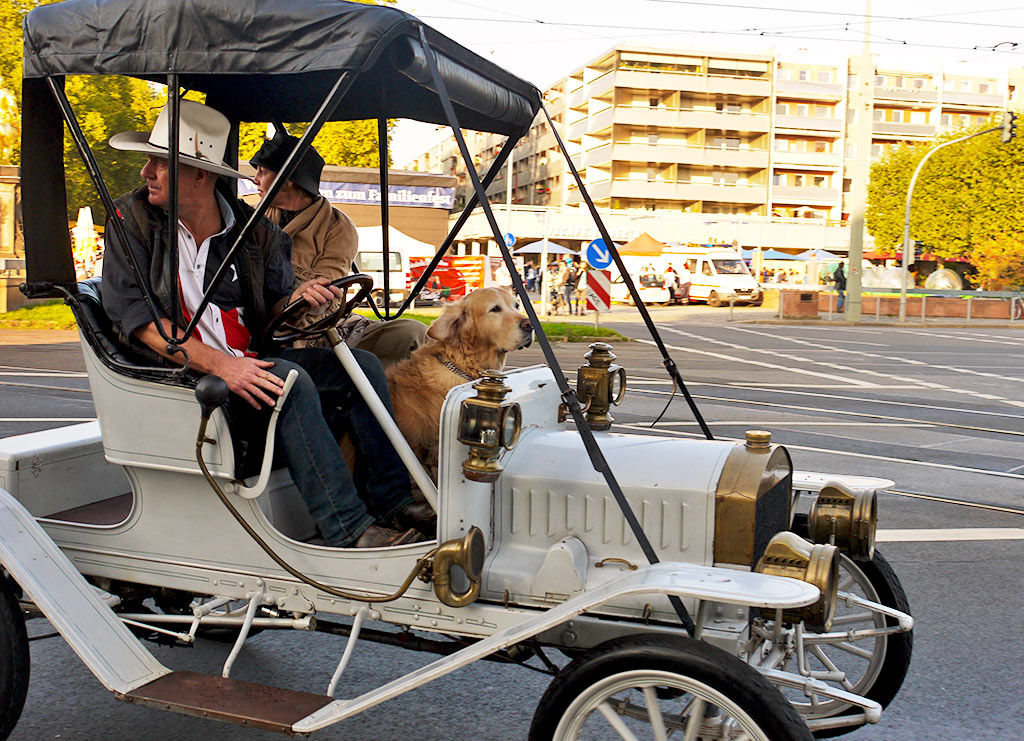
Well, that dog.
저 여유로운 표정.
- Frauenkirche
- Green Vault
- Germany after Berlin Wall
- CNN article about the Green Vault
All photos by rachelsanghee. October, 2014.
Wow thank you for your blog post about Dresden. Even if Dresden is not exactly my home (that would be Zittau an adorable little town right in the triangle Poland/Czech Rep./Germany southern of beautiful Görlitz the largest area memorial in Germany with unique architecture and southeast from the even more beautiful Bautzen with its awesome Castle ans medieval City Centre) I choose it and love it.
I love it because it is different. People are normally very open and friendly, I feel absolutely safe no matter that I live in a so called problem neighborhood (it’s just that there are a lot of unemployed people but it’s clean, safe and green anyways) I choose it because it’s just extremely cheap to live there. The house it fully renovated and insulated and the heating and warm water costs me nearly nothing and my neighbors are adorable calm older people and we even do hiking trips and eat together. You lived in Germany to know that it is an increasing problem to afford suitable housing when you are not willing to live in a crude area – in Dresden housing is still affordable but with scary fast increasing rents but if you can’t pay it you just move to Gorbitz or Prohlis – it’s ugly but clean and safe. The apartments are also ugly and end to be small but the houses are in good condition despite a few ones.
I guess you noticed it is very clean. Of course as far as I know german cities can’t compare to korean ones when it comes to tidiness? But for german and even European standards it is just clean and nice. Only Prague Center can beat this.
There are special differences in politics. The factions in the city parliament are working well together and try not to block each other (only the Green Party sometimes gets mad – maybe you heard about the Waldschlösschenbrücke the new Elbe Brdige which caused struggle with the UN and the greens fought against it, causing different lawsuits and a public election about the topic. They loose in every case but they didn’t accept it which caused millions in extra costs but that’s just Germany :D). The mayor (a homosexual woman from the Conservative party) does a great mix of progressive and innovative and conservative politics.
But the main point is that Dresden is relatively rich. Not in tax income – there is still a gap to the west – but the city does amazing financial politics. It is the only (!) larger City in Germany without any (!) debt! For example in the Ruhr Area the cities drown in bills. Even rich ones like Munich have large responsibilities it seems to be normal but in Saxony and especially Dresden we don’t accept this. It was hard to achieve it and still hurts. The city sold nearly all of it’s housing property. Mostly the typical “Plattenbauten” of the East. Dresden earned way over 1 Billion for it and used the money to pay back all its debt instantly and used the rest for infrastructure and modernization of the (partly) city own businesses like public transportation and energy. For example in Dresden there is a large fleet of hybrid omnibuses. They leave the stops completely noise- and dirtless. When they reached speed they switch to diesel and when the buses use the breaks the battery gets recharged (there is a nice LCD information system inside). That’s saves ten thousands in diesel every year and keeps the air cleaner because it is way more effective to speed up a tons heavy bus with electricity. Also the city owns the calmest tram system in Germany. The trails are in best condition and the trains itself are highly modern. Some of my fellow students moved in from the west were extremely impressed that the tram and buses are so modern and so clean but the tickets are still much cheaper than in their home.
The city managed to invest the money from the house deal in senseful projects and not build a insane opera house ore something.
Hundreds of thousands are saved because there are no debt rates to pay back. That gives the city unique possibilities to act. Other cities are bound to the ground by debt.
It’s also that saxony itself got the lowest debts in Germany. Since 2006 there were no new ones taken. A lot of debts are even paid back by now. That is impressive when you keep in mind that saxony is relatively poor. There is a unique discipline and agreement in population that paying back debt is important.
The fun part: the U.S. Housing Trust paid -way- to much for the houses they purchased from the city. About 60% over rated.
So about the cleaning: efficiency is the highest goal in Dresden.
The Dresden university developed an App which allows people to take photos of trash piles and pollution with their smartphones and submit the GPS Data automatically to the city service. They promise to clean it up within 24 hours. That’s a great innovation. Instead of paying workers to drive around and look out for trash – in this time they do no actual work – there are thousands of people looking out and transmit the data to the city so the city is able to do with the same personal about the double (!) amount of work in the same time compared to traditional workloads. Also the city uses modern equipment to clean. I always laught about the large vacuum cars during fall they are looking weird. Instead of collecting leaves with several people there is just a giant vac machine driving down the walkways and streets. One person does the work of 3 in the same time without hard work (which allows the workers to work even when they are older). It also works with cigarettes or the small stones in winter. It is so effective that they are able to clean the streets several times a week. They also use other impressive machines just because the city can and will afford it and spend its money on such things.
All the city services improve in quality in recent years but the costs are still going down. The politicians here seem to worry at least a bit about the real matters of city politics and not only their own reputation.
Several future businesses settled here. There is a giant microchip fab (and some smaller ones) and Dresden is the European centre of bionics and similar topics. The university dropped down the spendings on “mind” sciences (they are not wiped – they just went to Leipzig and Jena) and increased the spendings on nature sciences and industry studies extremely. There are cutting edge laboratories, world famous professors and a insane lot of science centers. As far as I know there are 12 larger facilities of the Fraunhofer Gesellschaft (along with the Max Planck Society (which runs also facilities in Dresden) the largest science agency here). That attracts the indysty. There is great cooperation. That improves the capabilities of the local industry and also the reputation and qualities of the university.
In Dresden everything seems to work together everything matches. That’s why I love it.
For example Berlin is the pure chaos. (I really find it disgusting there). They throw a lot of money (paid from Bavaria, Hessen and BW) out the window, it is dirty and every borrow does its own thing.
Together with all this modern things there is the rich cultural life. The baroque Altstadt with its world famous museums, the university with its long history and the vibration alternative Neustadt. It is clean, it is modern, it is awesomely green, the people aren’t in such a rush all the time like in other cities and you can have an awesome talk with a complete stranger at a park or the Neumarkt. People are open. People work hard and there is a sense of community. Things improve, everyone can see it and a lot of people work on this process. Even when it’s just to place your trash in the correct place instead of just let it fall down.
Dresden can and will become one of the best cities in Germany. It grows at a high rate and attracts people from all over. The university also grows and also becomes better and better. A lot of things doesn’t run so good in the east but for Leipzig and Dresden I can see a bright future.
I hope that investors will transform some (or better all) houses around the inner city. I hate it that you stumble right out the historic core to areas with boring concrete when just going one step to far. The whole area was destroyed in 1945 and of course rebuilding as fast as possible was more important than rebuild it nicely. Reconstruction at a level like on th Neumarkt is of course unrealistic but maybe we’ll see a nice mix of modern architecture and old I pressions in 20-30 years.
if there are questions I’m happy to answer them 🙂
I’m sorry for possible grammatical and grammar errors. Ironically I’m in a rush now and wrote it passionately 🙂
Okay in the lights of recent events I take back some of the statements. It seems that Dresden houses a significant amount of xenophobic douches. I feel such a shame for my home at the moment 🙁
Hey! So sorry for the late response. I’ve read the papers too… it’s a bit scary how far they have gone but I’m sure, err, hope there will be some kind of wrap up?